
Returning to a niche independent web board or legacy forum after a long absence frequently yields a surreal experience. The homepage remains visually intact, but the once-vibrant discussion threads are frozen in time, with the most recent post dated months or even years ago.
In the modern digital landscape, a silent message board rarely signifies the complete death of a community. Instead, as forum software ages, server maintenance costs rise, or mobile usability demands shift, active user bases undergo “platform migration.” Communities systematically pack up their social circles and relocate to modern hubs like Discord, Reddit, Telegram, or regional portals like Naver and Daum Cafes. Tracking down a migrated community requires executing a digital audit: analyzing technical board decay, tracing moderator handles across social networks, and verifying the authenticity of candidate destination hubs.

Forensic indicators of an abandoned web board
Before embarking on a search across external networks, audit the original message board for internal technical and administrative signals. A dying board leaves distinct forensic markers that indicate whether users simply drifted away or executed a planned migration.
The primary technical signal is a collapse in thread creation velocity. If a general discussion board that previously generated dozens of daily posts goes several weeks with zero human activity, the community’s gravity has broken. Furthermore, examine the state of moderation. If obvious spam threads or automated advertisement bots remain visible on the main board for over forty-eight hours without being purged, the administration team has abandoned the server.
Many migrating communities leave a “Lighthouse Post”—a permanent, pinned announcement at the top of the main board explaining where members have moved. However, even if an owner deletes migration threads, system-level access changes offer secondary clues. If the registration page displays an admin message stating “New user registrations are disabled” or “This board is now a read-only archive,” the management team intentionally froze the database to preserve historical posts while moving active discussions elsewhere.
| Board status | Thread creation velocity | Moderation activity | System access state |
| Active Board | Dozens of fresh threads daily; active replies within minutes. | Spam purged rapidly; pinned rules updated regularly. | Open registrations; active user profiles. |
| Stagnant Board | Multi-week gaps between human posts; high bot traffic. | Unmoderated spam sits on the front page indefinitely. | Open registrations, but zero admin oversight. |
| Read-Only Archive | Zero new threads allowed; board database is frozen. | Board locked in static state; no new posts possible. | Registrations disabled; explicit archive notice. |
Tracing digital footprints across social media and messaging platforms
When an independent board provides no direct link to its new home, you must utilize Open-Source Intelligence (OSINT) techniques to trace the digital footprints of the community’s leadership.
Moderator handle tracking and cross-platform identity
Community founders, key administrators, and active moderators rarely change their online pseudonyms when operating in niche spaces. Identify the handles of the top three administrators from the old forum’s “Staff” page or historical announcement threads.
Search these exact usernames across primary social networks (such as X/Twitter, Reddit, GitHub, or Discord). Key moderators frequently announce community migrations on their personal social media profiles, posting direct Discord invite links, custom subreddit announcements, or Telegram channel handles. If an admin’s X profile bio includes a link like discord.gg/community-name, you have located a primary migration lead.
Distinguishing official migration targets from unofficial fan clones
A major hazard when searching for a migrated community is encountering unofficial fan-made clone groups. When an old board dies, opportunistic users often create unauthorized Facebook groups or Discord servers using the original forum’s name to capture adrift members.
To authenticate a new platform destination, verify these three core criteria:
- Moderator Overlap: Ensure the administrative team of the new group contains at least one verified founder or senior moderator from the original web board.
- Back-Link Verification: Check if the new group’s pinned rules or “About” section explicitly references the original forum domain name.
- Database / History Continuity: Authentic migrated communities often upload archived thread backups, historical community memes, or established rulebooks into their new welcome channels.
Platform destination comparison: Where communities actually go
Understanding where specific subcultures migrate helps narrow your search parameters across candidate platforms.
| Destination platform | Primary verification signal | Moderator & admin cross-check | Authenticity risk |
| Discord Server | Pinned welcome channels containing original forum rules/history. | Admin roles assigned to verified handles from the old board. | Low. High official adoption for gaming and real-time hobbies. |
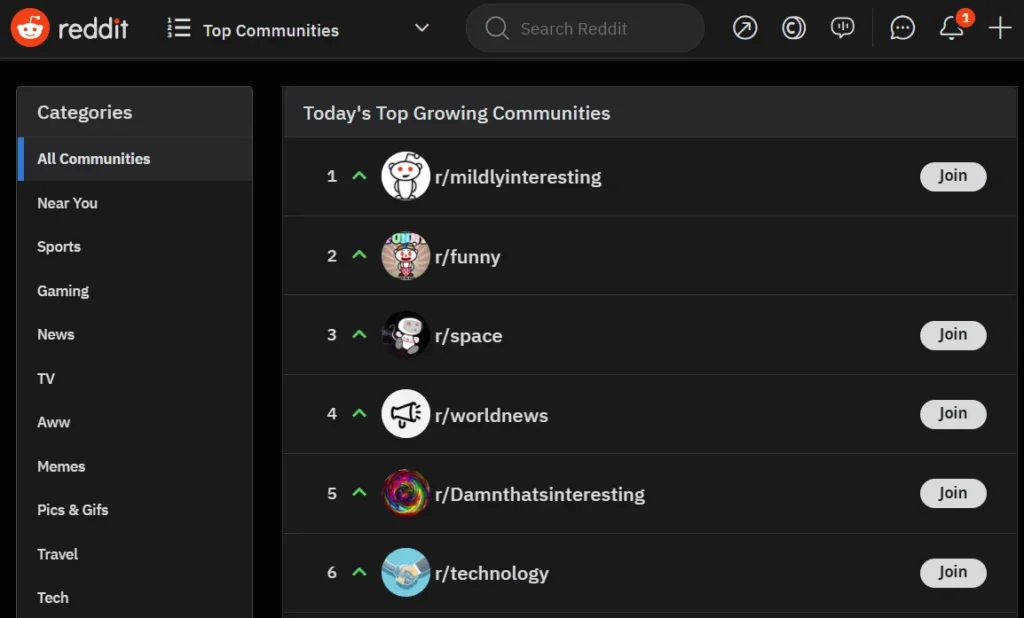
| Subreddit (/r/) | Custom CSS/branding matching the old forum banner; active wiki. | Mod team list cross-referenced against original forum staff. | Medium. Unofficial subreddits are frequently created by fans. |
| Naver / Daum Cafe | Official migration announcement pinned in the old board’s notice section. | Cafe manager account registered under the original webmaster ID. | Low. Standard migration destination for Korean niche communities. |
| Telegram Channel | Direct invite link embedded in the original forum’s footer or admin bio. | Channel owner handle matches original forum founder. | High. High prevalence of unofficial spam and spoofed clone groups. |
Indicators of permanent community dissolution versus absorption
Not every inactive message board results in a successful platform migration. Sometimes, a community simply dissolves or is absorbed into a broader adjacent hub.
A community has likely dissolved permanently if you observe expired domain drop-catchers (the old URL leads to a generic parked domain filled with pop-up ads), the founder’s social media accounts have been deleted or inactive for years, and searches for the community name yield zero results on Discord or Reddit across the past 12 months. In this scenario, the user base dispersed organically without establishing a central “shelter” platform.
Conversely, check for community absorption. When a niche web board dies, its lingering members often migrate individually to the largest existing platform dedicated to that broader topic (for example, a standalone mechanical keyboard forum’s members dispersing into the primary /r/MechanicalKeyboards subreddit). In these cases, searching the old forum’s name within the larger platform’s search bar will often surface welcome posts or “refugee threads” where former members acknowledge their old home while settling into the larger collective.